Matching Numbers: The True Measure of Authenticity in Classic Cars
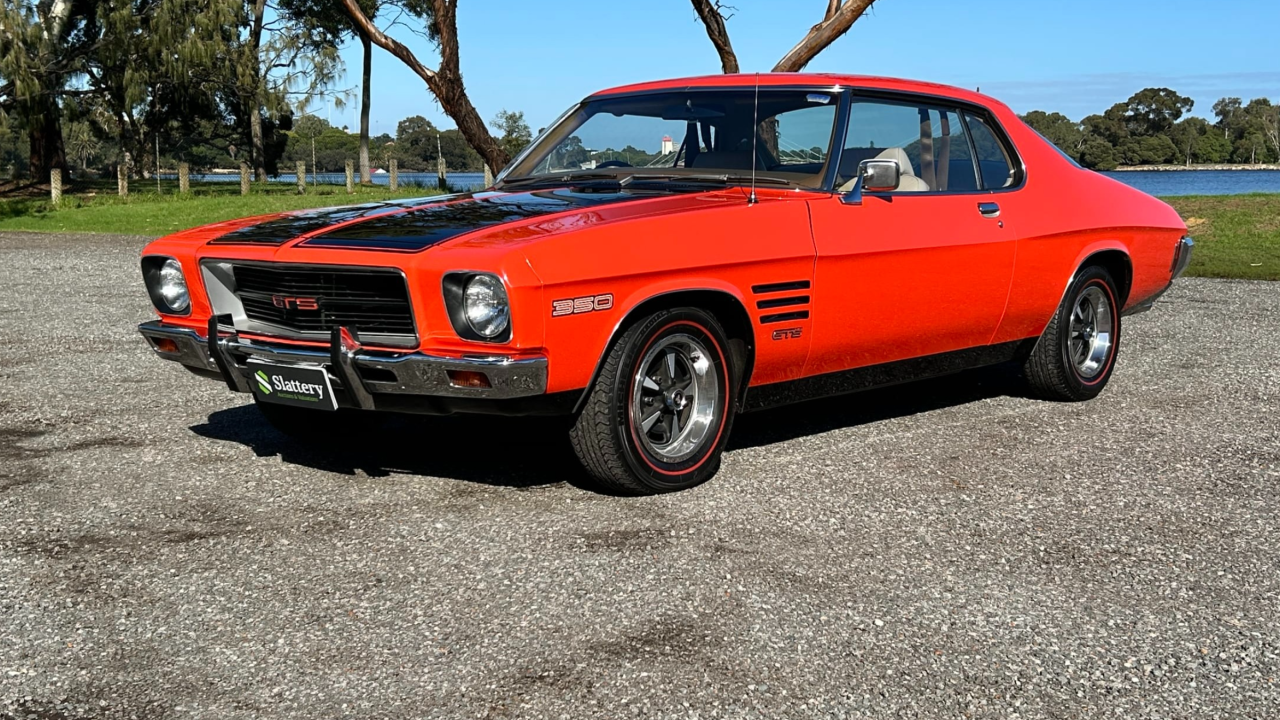
Matching Numbers - the true measure of provenance.
In the world of collectible and historic automobiles, few phrases carry as much influence—or confusion—as “matching numbers.” It appears in auction catalogues, classified listings, and sales descriptions across the globe, often as a hallmark of originality and authenticity. But what does it really mean, and when does it truly matter?
Understanding “Matching Numbers”
At its core, the term refers to a vehicle retaining its original major components, as fitted at the factory. This typically includes the engine, but can extend to the transmission, differential, carburettor assembly, starter motor, and other numbered components.
The defining feature is that these components carry serial or casting numbers consistent with the car’s build records or manufacturer’s documentation. In many cases, these numbers match those found on the chassis or identification plates, though methods and locations varied by manufacturer and production era.
Why It Matters
The importance of matching numbers depends on the type and provenance of the vehicle.
High-end classics and limited-production models rely heavily on originality for their collectible value. A car retaining its factory components can command a substantial premium over an equivalent example with replacements or rebuilt parts.
Performance models such as Falcon GTs, Monaro GTSs, Torana SLRs, Shelby Mustangs or Porsche 911s gain further credibility and desirability when their drivetrains remain intact.
Provenance is key for collectors. Investor type buyers are looking for the history and authenticity of the car, and because of how many are missing this, it makes those who have the right credentials far more desirable.
To illustrate: a HQ Monaro GTS retaining its original 308-cid V8 engine represents a rare and valuable survivor, whereas a standard HQ Kingswood with its original six-cylinder block offers little added distinction. Sure, they both have the same credentials, but in value terms it is far more crucial for the Monaro GTS to retain its soul than a humble Kingswood.
Verification and Due Diligence
When a car is advertised as “matching numbers,” careful verification is essential. Buyers and valuers typically assess:
Engine and drivetrain codes, cross-checked against factory data and build sheets.
Transmission and differential stamps, ensuring correct alignment with chassis records or date codes.
Hidden or secondary VINs, where present, confirming consistency with official identification plates.
Original paperwork, including dealer invoices, warranty cards, and service records.
Independent expert inspection, particularly for high-value or historically significant vehicles.
The depth of this documentation not only confirms the car’s physical integrity but also protects its market credibility.
The Value Equation
For collectors and investors, genuine matching-numbers cars often deliver measurable financial advantage. Depending on the model and its rarity, premiums of 20 % to 50 % or more are not uncommon. Beyond the numbers, such cars embody historical accuracy—a faithful representation of how they left the factory—enhancing their appeal to purists and preservationists alike.
Common Pitfalls
As demand for originality grows, so too does the risk of misrepresentation. Buyers should remain alert to:
Re-stamped or tampered components, where replacement parts or reproduction parts are altered to imitate factory markings.
Partial matches, in which only the engine or one major component remains original, and others don’t seem to line up.
Vague descriptors such as “period correct” or “correct-type engine,” which imply similarity but not true authenticity.
A vehicle may display correct codes, yet still have undergone extensive restoration or component replacement. The phrase “matching numbers” alone should never substitute for thorough documentation and expert verification.
Provenance and Authenticity
Ultimately, matching numbers form one part of a broader story. Provenance—ownership history, condition, originality, and documentation—together define a car’s place in the market. The most desirable examples are those that combine authentic components with verifiable history and sympathetic preservation.
In today’s collector landscape, where transparency drives trust, genuine authenticity remains the ultimate currency. Matching numbers may be only one piece of the puzzle, but it’s often the one that separates the exceptional from the ordinary.
Many use the term to catch attention, and others actually have no idea what it really means. It definitely pays to check, and double check with an expert who can help and give you peace of mind.