Modern Used Cars, what does the future hold?
I’ve spent considerable time immersed in the used car market, and I feel that here in Australia, we are about to experience one of its most profound shifts in decades. In fact the truth is, its already begun.
What was once a relatively predictable cycle of depreciation, reliability, and resale value is being disrupted on multiple fronts: electric vehicles and affordable Chinese brands are changing the rules, the timelines, and the expectations of buyers, sellers, and everyone in between.
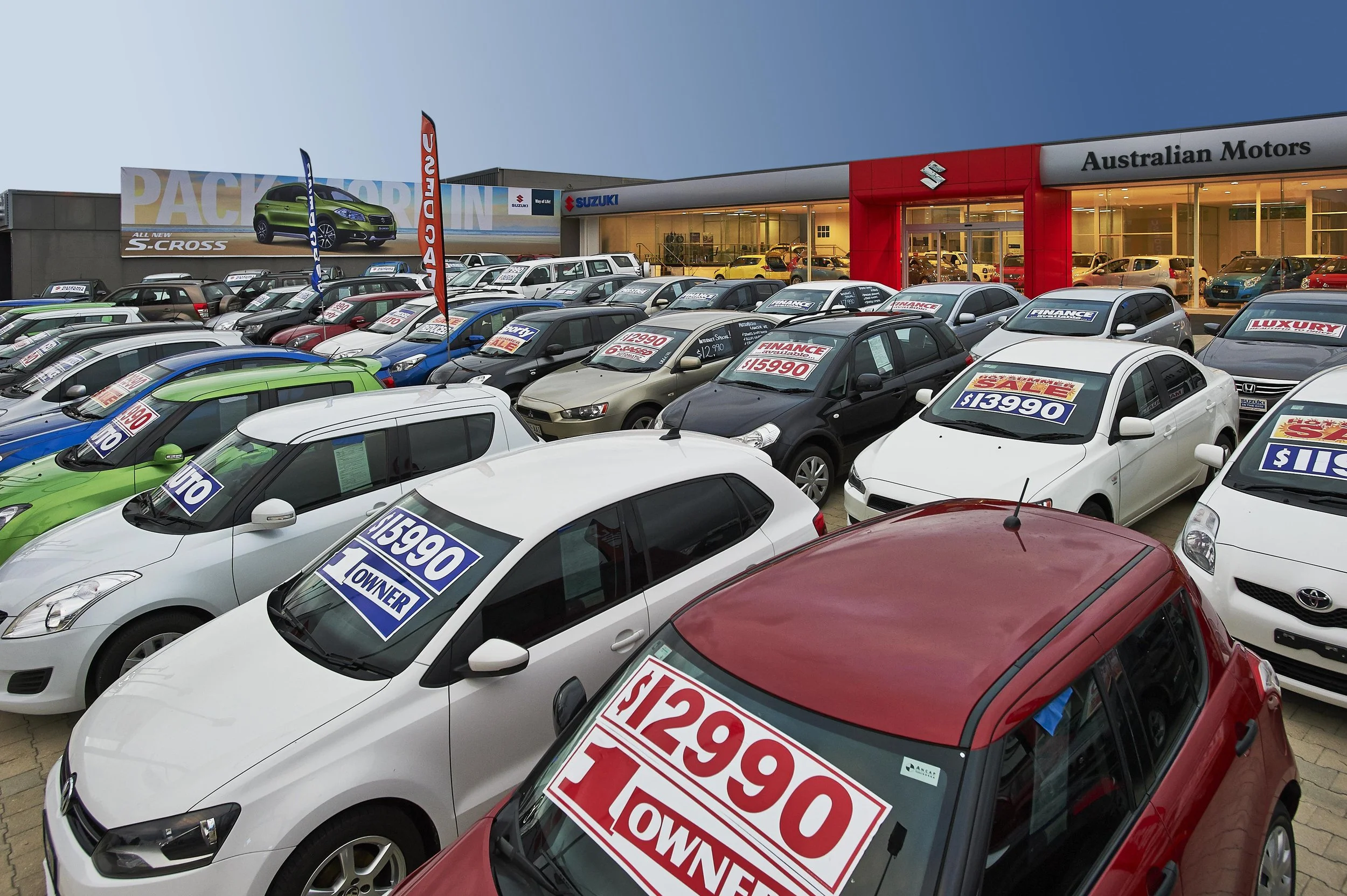
From 2025 through to 2030, a peak wave of cars built between 2018 and 2024 will begin to change hands. These are not just any cars; they are the first generation of proper mainstream EVs and the flood of low-cost Chinese vehicles that entered the Australian market in unprecedented volumes. Their arrival in the second-hand market is going to reshape perceptions, pricing, and the ways cars are sold.
Electric vehicles have been lauded for many things—quiet operation, instantaneous torque, environmental credentials—but they also bring a very different set of challenges to the used car landscape. Unlike internal combustion vehicles, whose depreciation in the past has been largely predictable and manageable, EVs are bound to a single, expensive component that defines their remaining value: the battery.
Battery degradation is inevitable. Even the most advanced lithium-ion cells lose capacity over time, and for a vehicle driven heavily, the range drops measurably within 5 to 7 years. For prospective second-hand buyers, this represents uncertainty. When a car’s most critical component could cost 30% to 50% of the vehicle’s value to replace, caution—or outright avoidance—is understandable.
It is also important to recognise how quickly EV technology evolves. A 2025 EV is already competing with the upcoming 2027 model that may have longer range, faster charging, improved software, and smarter energy management. By the time a 2018–2020 EV comes off its warranty, it may feel, in technological terms, far older than a comparable ICE car of the same age. Unlike petrol vehicles, where a 5-year-old car may still feel modern, EVs start to feel outdated almost as soon as they leave the showroom. Think of comparing a HQ Kingswood to a VF Commodore – a forty-year gap in age, but the same sort of feel happens in less than ten years! Wild!
This combination of battery risk and rapid tech evolution means that EV resale values are set to be volatile. Dealers, private buyers, and fleet managers will all have to recalibrate how they price these cars. Yet there is an opportunity for those who understand the market: used EVs can be targeted to buyers who have home charging, lower mileage expectations, or who prioritise entry-level affordability over the latest features.
If EVs are the technology disruptors, Chinese imports are the affordability disruptors. Brands like MG, Great Wall, Haval, BYD, and others arrived in Australia in significant numbers over the past five years, offering impressive specification at historically low prices. But the challenge mirrors the lessons from the 1990s and early 2000s when Hyundai, Kia, and Daewoo entered the Australian market. And let’s not forget, new brands like Geely, XPeng, and Chery are establishing themselves, there’s plenty more to land on our shores.
Back then, cars like the Hyundai Excel, Kia Rio, and Daewoo Lanos were cheap, cheerful, and functional. New, they made motoring accessible. Used, they depreciated dramatically. By the time the warranty expired, prices were almost giveaway. Many buyers avoided these vehicles simply because the perceived risk outweighed the low entry price. Maintenance costs, unknown reliability, and the fear of unexpected issues dominated decisions. Why would you buy one second hand example, when the new car price was so affordable?
Today’s Chinese vehicles face a similar trajectory—but at a larger scale and accelerated pace. Massive production volumes, rapid market penetration, and aggressive pricing mean that the 2018–2024 cohort of Chinese cars could dominate the lower end of the used market. Many of these vehicles will begin arriving at dealerships, private sellers, and auction houses in the next five years in significant volumes.
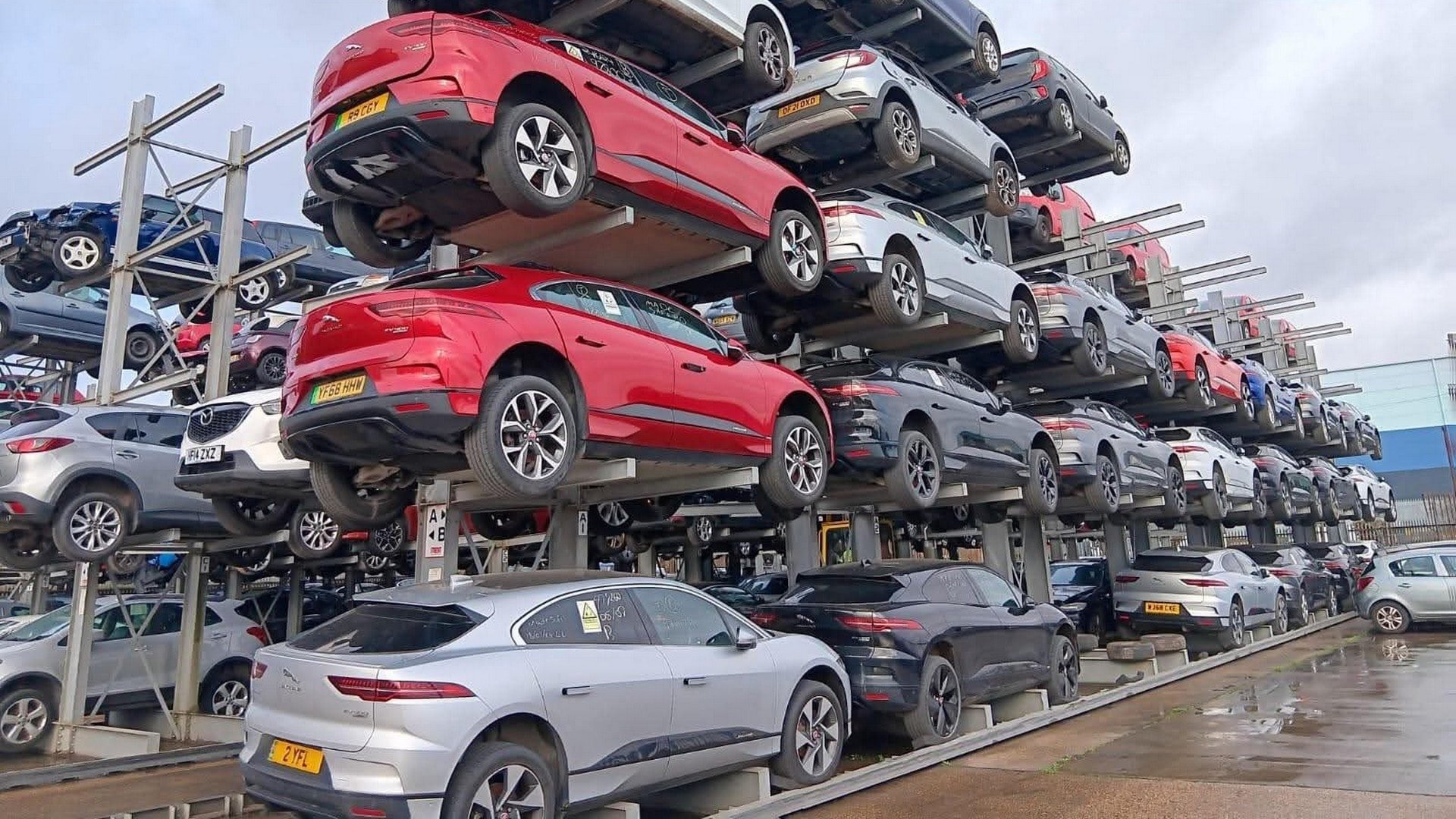
Here, too, perception will heavily influence value. The cars themselves may be well-built, durable, and perfectly suitable for daily use, but consumer hesitancy around long-term reliability will create downward pressure on resale prices. For buyers seeking cheap entry-level vehicles, these cars will offer unprecedented opportunity. For sellers, careful positioning will be key to achieving maximum value.
One constant through this turbulence is the auction market. Auction houses like Slatterys and Grays Online are uniquely positioned to facilitate the movement of these vehicles efficiently and transparently, particularly those with a zone for EV and Hybrid cars such as Eevee auctions. Car auction houses provide a neutral platform where buyers and sellers can connect in real-time, allowing market forces to determine value without the uncertainty of private sale negotiations.
For EVs, auctions can provide clarity. Buyers can see exactly what is available, compare range, battery health, and specification, and make informed decisions. Sellers, whether dealers or private owners, can attract motivated buyers who will likely understand the nuances of EV ownership. It’s an environment that supports price discovery and reduces the friction associated with private sales.
In short, auctions are more than just a sales channel—they are a market stabilizer. As more cars move off their original purchase contracts, and the volume of EVs and Chinese vehicles rises, professional auction houses will play a central role in keeping supply flowing, pricing fair, and transactions secure.
The rise of EVs and Chinese imports in the used market is forcing everyone to think differently:
Dealers must adapt pricing strategies and provide clear information about battery health, warranty coverage, and maintenance expectations. They need to embrace technology, not fear it.
Private owners will need to consider the long-term resale implications of their purchase. EV ownership isn’t just about electricity—it’s about lifecycle costs, perceived obsolescence, and market volatility.
Buyers have more choice than ever but face higher complexity. Understanding the nuances of battery degradation, evolving technology, and brand reliability will be crucial.
The key takeaway is that the market is not shrinking—it’s evolving. While resale values for certain vehicles may be unpredictable, the demand for transparency, fairness, and informed purchasing will grow. Auctions provide that infrastructure, making them increasingly important in the 2025–2030 landscape.
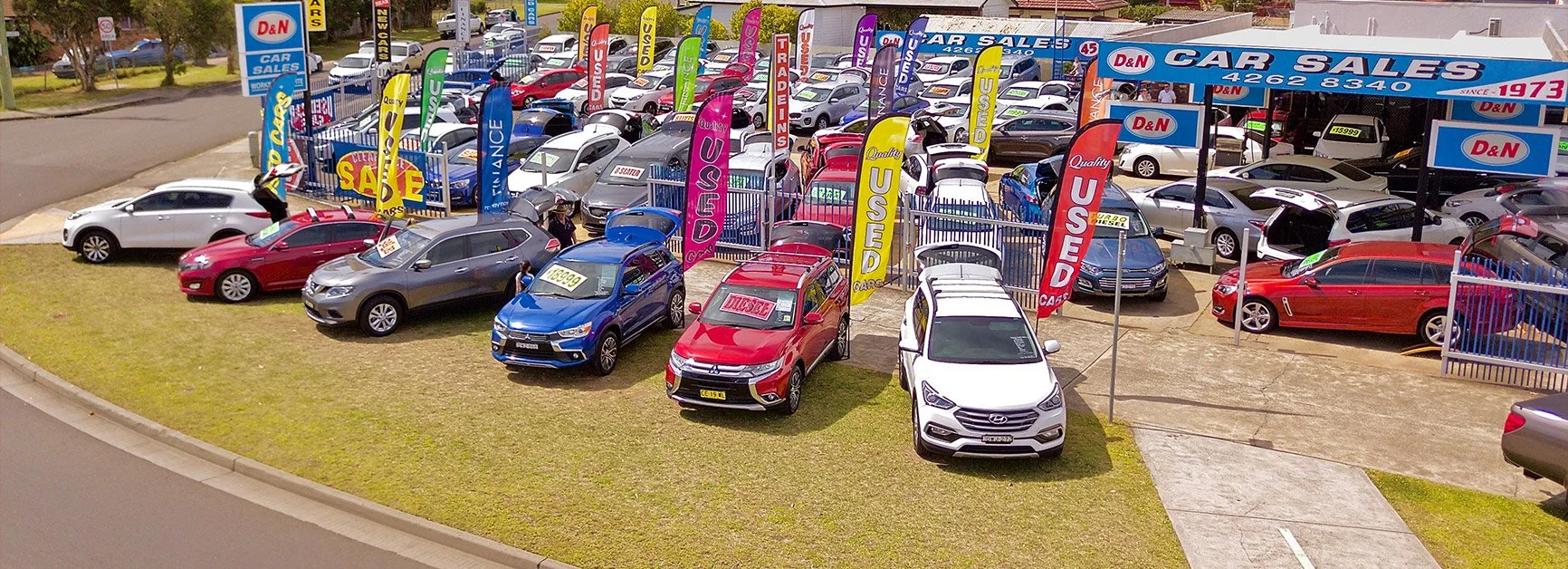
Between 2025 and 2030, Australia will see a significant wave of 2018–2024 EVs and Chinese imports entering the used market in large volumes. How buyers and sellers navigate this will shape the market for years to come. Will EVs retain value, or will battery risk drive prices down? Will Chinese imports shake the market for low-cost vehicles, or will perception limit uptake? And then what? Do some models become almost unsellable? Do some ‘one-owner’ EVs just end up at the wreckers and auto recyclers?
The answers are not yet clear—but one thing is certain: those who understand the interplay of technology, perception, and market mechanics will have the advantage. Professional platforms like Slattery’s and Grays Online will provide the infrastructure to facilitate efficient, informed, and profitable transactions, turning potential volatility into opportunity.
The modern used car market is no longer a simple story of age and mileage. It’s a story of technology cycles, cultural perception, and accelerated product turnover. EVs are redefining risk and resale value. Chinese imports are rewriting affordability and availability. Auction houses are emerging as the stabilizing mechanism to bring order to what could otherwise be a chaotic market.
For the consumer, the lesson is clear: knowledge is power. Understanding battery degradation, warranty limitations, and brand reliability is as important as odometer readings and service history. For sellers, the lesson is equally straightforward: presentation, transparency, and access to motivated buyers will determine the best outcomes.
As we approach this peak wave of ownership change, it is worth remembering that the modern used car market is not collapsing—it is transforming. For those who adapt, for those who engage with auctions and understand the nuances, there is opportunity, excitement, and a chance to participate in one of the most interesting chapters in Australia’s automotive history.
And what interests and excites me, is being in the thick of it all. Working for a major auction group like the Slattery Grays Auction Group, who are looking to really step things up in the auction marketplace, is great.
What do you think is going to happen to the huge numbers of EVs and Chinese cars?
Are they going to be bargains worth pursuing?
Are they going to be rubbish with wheels?
Perhaps something else?