The Classic Car Rebellion
There’s a subtle rebellion happening on Australia’s roads, and it’s not about speed limits, tolls, or even fuel prices. You might not have even noticed it, It’s about cars. Specifically, old cars. The ones that make you pause, that make people look twice, that smell of history, petrol, vinyl and leather. The ones that refuse to conform to the sterile, predictable, electronically dominated world of modern motoring.
In an era defined by efficiency, software updates, quiet cabins, and monochrome palettes of grey, silver, and charcoal, classic cars are doing something extraordinary: they are insisting on being noticed. They are asserting that driving is not just about getting from A to B. It is about passion, identity, culture, and memory. They are a rebellion, a visible and visceral reaction to a future that increasingly prizes control over character, predictability over personality.
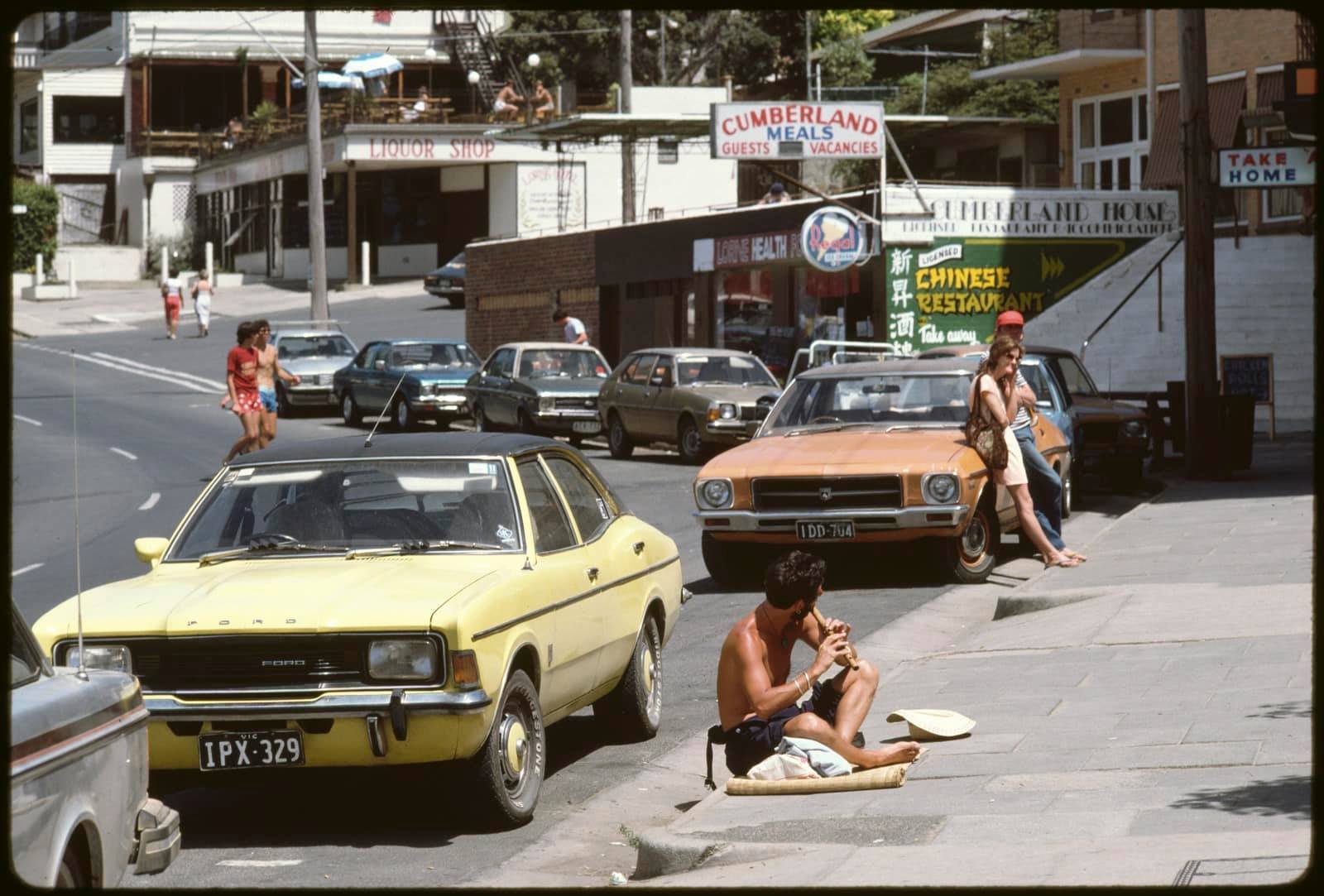
Not all cars can be “classic.” There is a reason why certain vehicles achieve this status while others disappear quietly into the marketplace sea of used old clunkers. Classic cars are the ones that captured a moment in time, that reflected a society, a cultural mood, a personal dream. They have story, purpose, and personality etched or stamped into every panel, every chrome trim, every hue of colourful paint.
A 1968 Holden HK Monaro GTS finished in Warrick Yellow isn’t just yellow; it’s aspirational, dramatic, and alive. A 1972 XA Ford Falcon GT in Calypso Green isn’t just green; it’s cheeky, flamboyant, and brimming with confidence. Even the rare Hemi Orange Valiant Chargers announce themselves, not quietly, but with authority. Colours weren’t chosen to blend in—they were chosen to be remembered. Styles weren’t designed for efficiency—they were designed for identity. Every curve, every badge, every dash detail was a statement. And how about the sounds? Unforgettable.
Modern cars, by contrast, feel cautious. They are born of regulations, efficiency targets, and a fear of offending tastes that barely exist. They whisper when they should roar, hide when they should shine, and drive when they should command. In a showroom of twenty near-identical grey SUVs, it’s easy to forget that a car can have a personality. Classics, in contrast, wear theirs proudly, and some almost defiantly.
Take a seat inside a classic car, and the first thing you notice is how simple it all is. There is no digital screen dominating your attention. No complex menus, no autopilot functions. The dials are real, the switches tactile, and the steering wheel feels like an extension of your hands. Every movement has a purpose and function. Every input has consequence. You don’t “press a button”; you drive. You aren’t managed by a computer. You are, unapologetically, in control.
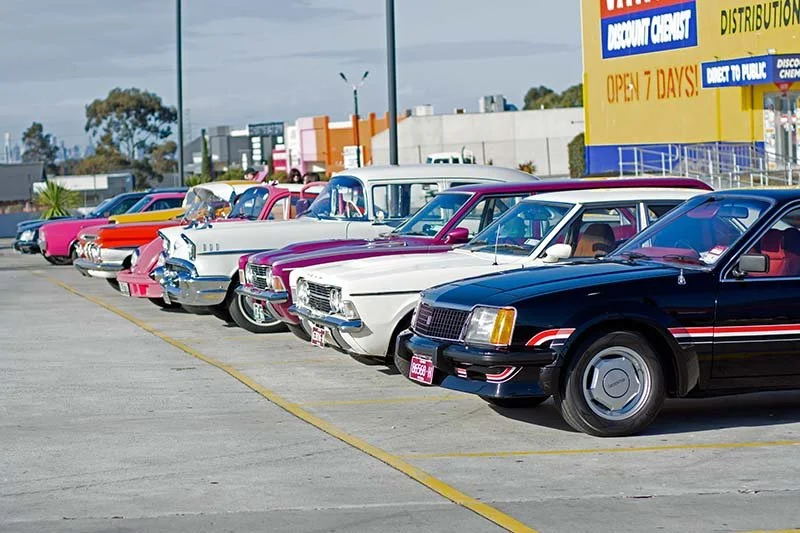
Sure, classic cars aren’t perfect. They aren’t reliable by today’s standards. They guzzle fuel. They don’t have the safety features modern buyers take for granted. They squeak, rattle, and remind you that they’re machines made by humans, for humans, with human priorities. And yet, these imperfections are part of the charm. They are honesty in metal. They remind you that driving is not meant to be sanitized.
Take a drive in a classic, and it’s not just a commute—it’s a full-body experience. The rumble of a V8 under load. The mechanical whir and clunk of the gearbox. The faint scent of aged leather or vinyl. The vibration through the floor, the subtle shift of weight in corners. You can feel the road. You can feel the car. You know you are moving because your senses tell you so—not because a digital display or synthetic haptic feedback tells you.
In an age where modern vehicles are designed to eliminate discomfort, isolate drivers from the road, and manage every aspect of the drive electronically, classics do the opposite. They demand attention. They reward skill. They make you feel alive. Behind the wheel of a classic, you are transported—not to another street, but to another era. A time when cars were more than tools. A time when driving was an act of engagement, not delegation.
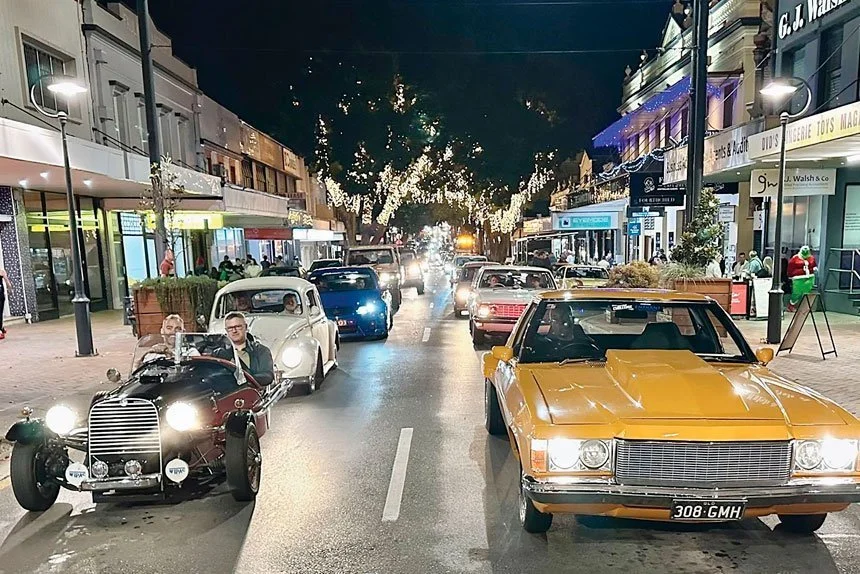
Every era has its trends. Today’s cars are defined by efficiency, electrification, and safety. They are software-driven, quiet, and heavily monitored. In many ways, they are the antithesis of classic cars. And yet, that contrast only strengthens the rebellion.
The push toward EVs, hybrids, and hyper-efficient, tech-laden vehicles—driven by governments, manufacturers, and environmental necessity—may be creating the perfect environment for the classic car renaissance. The more cars become homogenized, the more people crave individuality. The more driving becomes sanitized, the more people yearn for character. The more vehicles resemble appliances, the more classic cars shine as objects of resistance, memory, and identity.
Owning a classic today is a statement. It says: I care about passion over convenience, emotion over efficiency, personality over conformity. It’s a choice to embrace imperfection as charm, to celebrate sound and colour as joy, to drive for the love of driving, not merely the logistics of mobility. And they are social, very much so. Get yourself along to a weekend ‘coffee and cars’ cruise event, and you’ll see it – even if you go as just a spectator, you’ll ‘get’ it.
Classics are not just rebellion—they are proper time machines. Not in the cinematic sense of instant temporal displacement, but in their ability to evoke memory. Sit in a 1960s Holden, and you might remember your father’s or grandfather’s car, the local drive-in, the smell of petrol and sunscreen on a summer afternoon, the sting and burn of a hot seatbelt buckle and the scorch vinyl seat. Roll out a 1980s performance sedan, and you are back in high school, imagining yourself in a world of speed and freedom.
This sense of memory and nostalgia is powerfully emotional. It transcends practicality. It reminds us of where we’ve come from, not just where we’re going. Modern cars can get you to work safely and efficiently, but only a classic can make you pause, reflect, and experience a small piece of history first-hand. And same for those who spot the car in the traffic, they’ll often smile and wave, or give an approving thumbs up.
So where does this rebellion go from here?
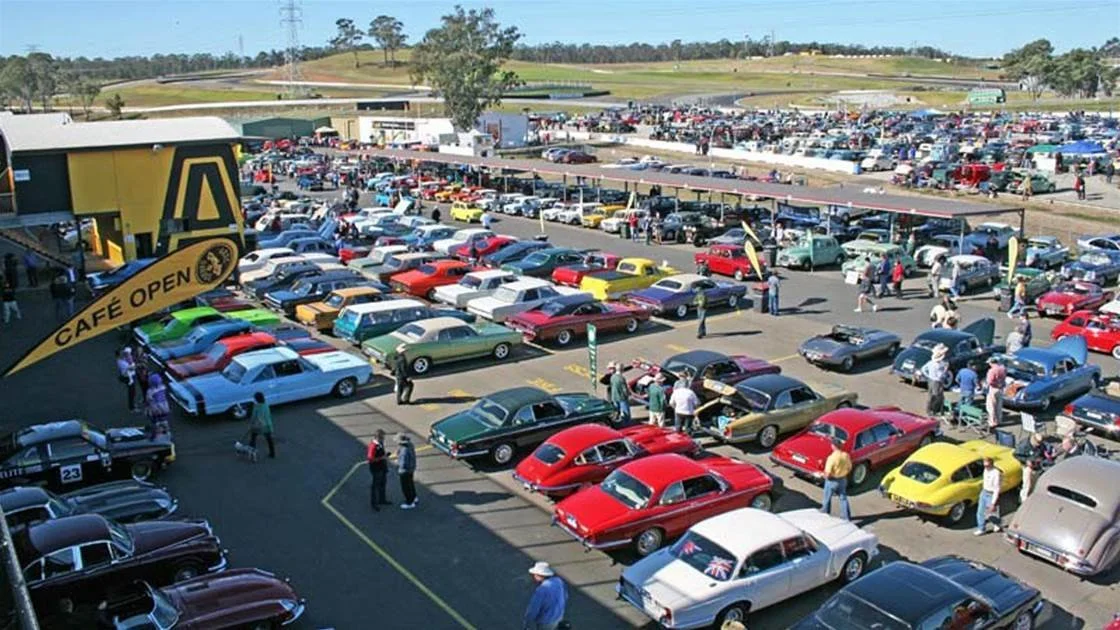
As mainstream automotive trends move toward silence, homogenisation, and efficiency, classics are poised to grow in cultural relevance. They will not dominate commuter parking lots—they will exist on weekends, in garages, at shows, on country roads, and in the hearts of enthusiasts. They will not be the default choice for practicality, but they will be the aspirational choice for identity.
Interest in classics will likely increase not just among older generations seeking nostalgia, but also among younger Australians who see in them a counterpoint to bland, impersonal, technology-driven modern cars. Each shiny and glossy panel, each polished chrome trim, each lovingly maintained engine is a rebellion against a world where personality is optional.
In a world increasingly defined by software, regulation, and efficiency, classics remind us that cars were, and still can be, about passion. They celebrate individuality, memory, and craftsmanship. They are tactile, sensory, and human. They are loud when the world whispers. They are colourful when the world is grey. They are imperfect when the world demands and expects perfection.
Classic cars will never be the everyday choice. They don’t need to be. Their value is not in commuting efficiency or technological superiority. Their value is in resistance, identity, and experience. In a decade where EVs, hybrids, and autonomous vehicles dominate headlines and showrooms, I feel the classic car rebellion will quietly grow—proof that some things are too human, too emotional, and too alive to ever fade completely.
And as they grow, one thing is certain: they will continue to remind us of the joy of driving, the importance of individuality, and the power of a car to transport us not just in space, but in time.
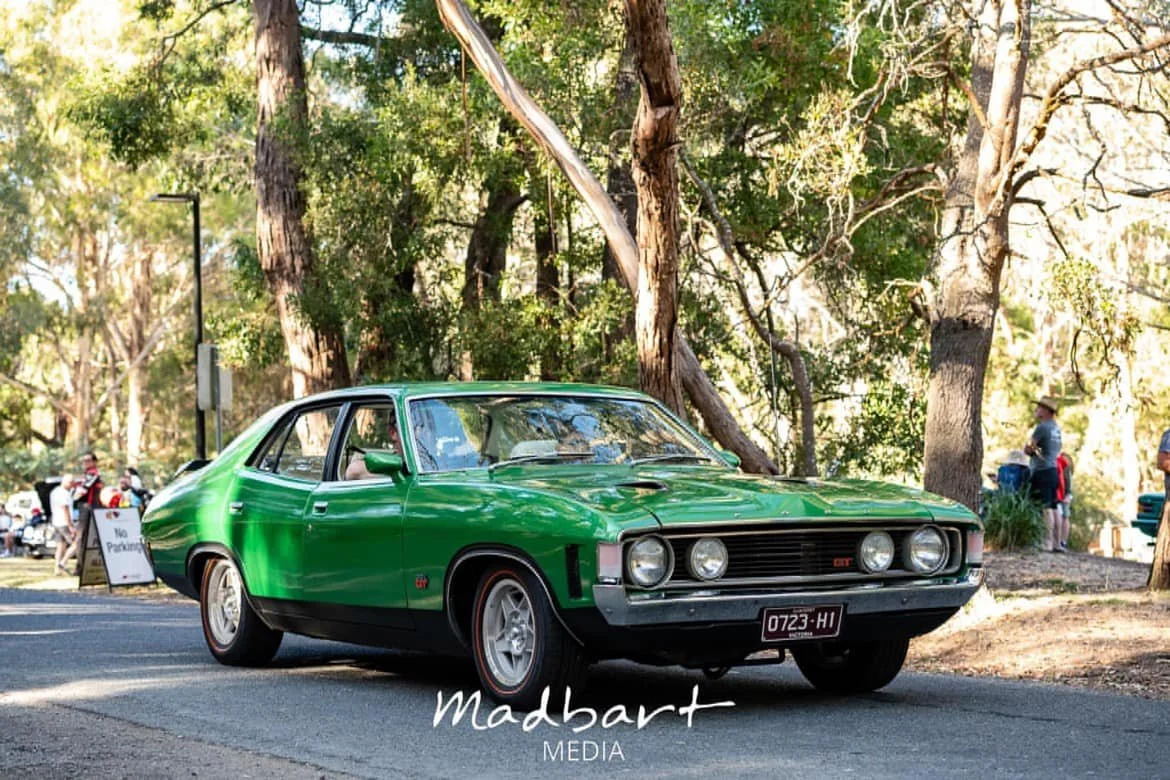
I know that every chance I get I’ll be out there driving my old classic, savouring that V8 rumble, the fresh air through the open windows and sunroof, and the glimmer and glow of that vibrant Calypso Green paintwork.
What do you reckon?
Do you see a classic car in your garage in the future?
What car would make you step up and possibly buy?
Is there a dream car in mind?