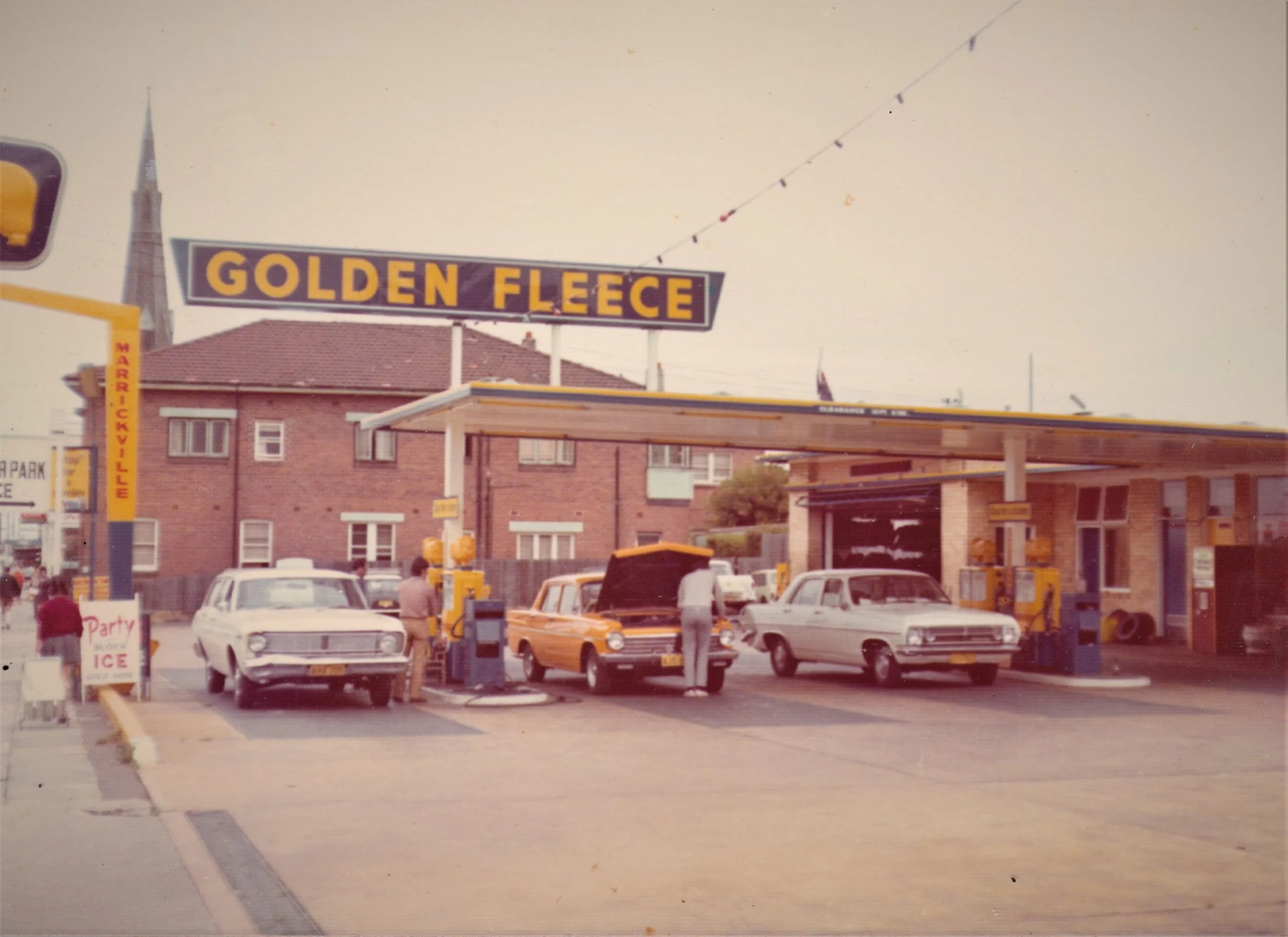
Petrol Stations – What does the future hold for the humble ‘servo’ ?
Is it possible that your favourite servo may end up just like your local video shop – gone?!?!
For decades, the petrol station has been one of the most familiar fixtures in the Australian landscape. Corner blocks. Big signs. Dozens of bowsers to choose from, big freezers with bags of ice, trailers for hire, and that all-important air compressor for your tyres! They always have a fridge full of drinks, a pie warmer, loads of snacks, maybe a coffee machine that’s better than it used to be, and of course cheap sunglasses, caps, and beanies. They’ve been so normal, so constant, that we rarely stop to question whether they’ll always be there.
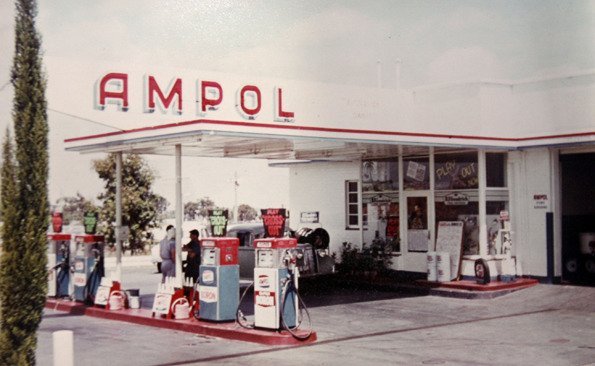
But history suggests that “always” is a dangerous assumption.
Australia has already watched entire categories of once-essential suburban businesses quietly disappear. Video stores. Photo and film development shops. Local milk bars. Even the small suburban mechanic, slowly replaced by franchise groups like MyCar and Ultratune, as well as dealership service departments and cars that simply need less attention. Each of these businesses served a genuine need at the time. Each seemed indispensable. And each was eventually undermined by a combination of technology, changing consumer behaviour, and economics. And, the change was relatively FAST
Petrol stations may not be immune. Here today, gone tomorrow?
At first glance, petrol stations look like resilient businesses. Everyone drives. Everyone needs fuel. The roads are full. Surely that guarantees survival?
The reality is more fragile.
Fuel itself has always been a low-margin product. The profit per litre is very thin, volatile, and highly exposed to global pricing and government excise. For many years now, the real money in a service station has not been petrol or diesel at all, but what happens after the driver steps out of the car. Coffee. Snacks. Drinks. Food. Impulse purchases.
Fuel brings the traffic. Retail makes the profit.
That model works brilliantly when close to 100 per cent of vehicles on the road need to refuel regularly. It becomes less reliable as that percentage declines. And that decline has already begun.
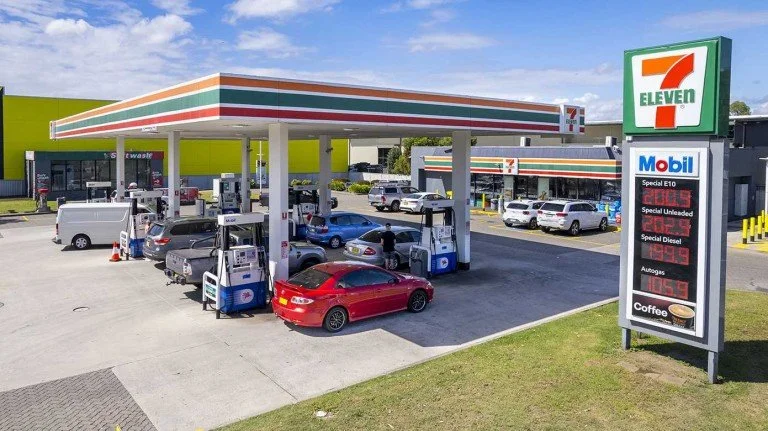
Electric vehicles don’t behave like petrol cars. They don’t need frequent refuelling, and when they do need energy, it’s often delivered somewhere else. At home, overnight. At work, during the day. At shopping centres, hotels, or destinations where the car is already parked.
Every one of those charging events is a petrol station visit that never happens.
This is the critical difference. EVs don’t just reduce litres sold; they reduce foot traffic. Fewer cars stopping means fewer coffees sold, fewer snacks bought, fewer reasons for the retail side of the business to exist.
Even plug-in hybrids, which still use petrol, dilute demand. They refuel less often. They stretch the interval between visits. They soften the economics that service stations rely on.
When you apply this across thousands of sites, even a modest shift in vehicle mix begins to matter.
There is another factor that becomes more powerful as fuel relevance declines: land value.
Many petrol stations occupy prime real estate. Corner sites. Main roads. Highly visible locations in established suburbs. In many cases, the land itself is worth far more than the business operating on it.
When fuel stops drop and retail revenue softens, petrol station owners and groups start asking an uncomfortable question: is this the best use of this land? Is it still worth it? Could there be more profitable ways of using the space?
History tells us how that question often ends. Video stores didn’t disappear because people stopped liking movies. They disappeared because streaming made their footprint unnecessary, and the land was worth more as something else. Milk bars gave way to (ironically) petrol stations, cafés, apartments, and townhouses. Film labs vanished as digital photography eliminated the need for physical processing.
Petrol stations may follow the same path, not through sudden and instant collapse, but through gradual redevelopment. One by one, marginal sites close. The tanks are removed. The corner becomes apartments, retail, or mixed-use development. Especially in inner and middle suburbs, this process is already quietly underway.
This is not a story about extinction. It’s a story about consolidation.
Australia does not need “thousands and thousands” of petrol stations in a future where a meaningful share of vehicles no longer refuels weekly. Even a reduction from 95 per cent of vehicles needing petrol to 70, then 60, then 50 per cent has profound implications.
A relatively small drop in fuel demand can wipe out the weakest operators. Low-volume sites. Poorly located sites. Older sites with limited space to adapt. These will be the first to go.
The survivors, however, might look very different.
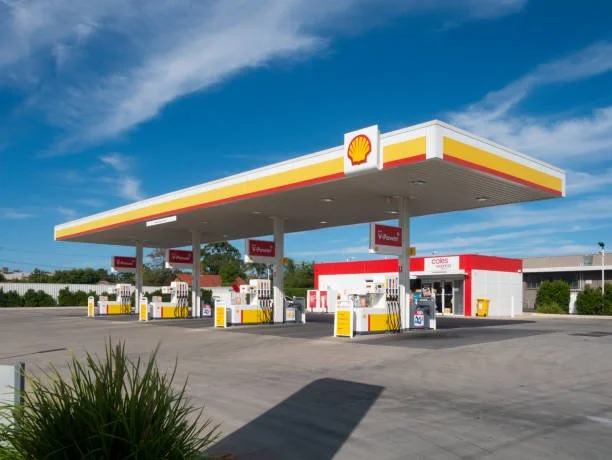
The petrol station of the future is unlikely to be fuel-only. Instead, it becomes an energy and convenience hub.
Fewer petrol bowsers. Some diesel retained, particularly for commercial and regional users. But alongside them, high-speed EV chargers. Not one or two slow units tucked in the corner, but multiple fast chargers designed for short, predictable dwell times.
And critically, better reasons to stay.
Good coffee, not just serviceable coffee. Decent food. Clean seating areas. Toilets that don’t feel like an afterthought. Wi-Fi. Shade. Comfort. If EV drivers are waiting 15 to 30 minutes, the business model shifts from “in and out” to “pause and spend”.
In this model, the petrol station begins to resemble a modern roadhouse, even in suburban settings. Energy is still sold, but experience matters more than speed alone.
Interestingly, unmanned fuel-only stations (like U-Go) may coexist with this model for a time. They represent a cost-cutting response to declining margins, stripping the business back to its bare essentials. But they are a defensive play, not a long-term growth strategy. EV charging, by its nature, encourages dwell time, not automation.
If EV uptake continues steadily, I think the next decade is likely to bring visible change.
The total number of service stations declines. Not dramatically at first, but persistently. The network becomes thinner, more intentional. Locations matter more. Scale matters more.
Surviving sites are larger, better equipped, and more expensive to build, which raises barriers to entry and favours major operators. Fuel becomes just one part of the offering. Electricity becomes another. Food and retail remain central.
At the same time, many former petrol station sites quietly disappear into the urban fabric, redeveloped into housing or other commercial uses. Most people won’t notice until they suddenly realise there used to be a servo on that corner.
Australia has seen this before. Industries that once seemed permanent slowly hollow out as technology and behaviour shift. Not overnight. Not dramatically. But inevitably.
Petrol stations won’t vanish in a puff of smoke. They will thin, adapt, and consolidate. Some will evolve into modern energy hubs. Others will quietly close, their land repurposed for something more valuable.
In ten years time, Australians will still stop for fuel. But they’ll stop less often, in fewer places, and for different reasons. And when that happens, the humble servo may finally join the long list of suburban institutions that once defined daily life, before fading into memory.
Not gone entirely. Just no longer everywhere.
What do you think?