The Evolution of the Family Car
What Australia Drives Says More Than We Admit. If you want to understand Australia at any point in time, don’t start with politics or headlines. Look at the cars parked in suburban driveways.
For decades, the “family car” has been a mirror of how Australians see themselves, how safe or unsafe they feel, how confident they are about money, and how they negotiate power, identity and responsibility within the household. The evolution from sedans, to SUVs, to dual-cab utes hasn’t been random, and it hasn’t just been about practicality. It has been deeply cultural and necessary.
And now, once again, we’re standing on the edge of another shift.
In the 1990s and early 2000s, the family car was almost always a sedan. Falcon. Commodore. Camry. Magna. Four doors, five seats, a boot big enough for prams, suitcases, groceries, cricket bags or golf clubs, and the annual family holiday. Predominantly petrol powered. Predominantly rear-wheel drive if it was Australian-made. And a sprinkling of performance models that were colourful and full of personality.
That allowed them to be perfect.
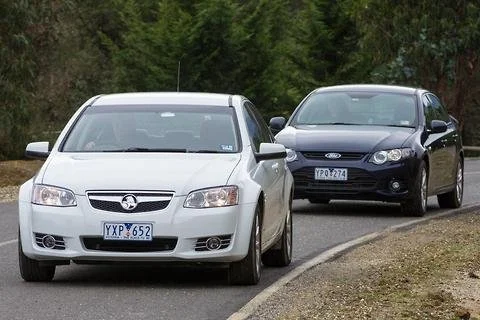
Sedans didn’t shout. They didn’t posture. They didn’t try to say anything about who you were. They simply got on with the job. They reflected an era of relative economic certainty, predictable life paths, and suburban normality. One income could often mostly support a household. Commutes were manageable. Fuel was relatively cheap. Cars lasted a long time.
The sedan era was also defined by local manufacturing. Driving a Falcon or Commodore wasn’t just practical; it was culturally reinforcing. These were cars built here, for here. They suited Australian roads, Australian distances, and Australian sensibilities. And of course the performance models were tied to motor racing. Win on Sunday, Sell on Monday.
Importantly for most, sedans were socially neutral. They didn’t belong to mum or dad. They were just “the car”. That neutrality would not last.
By the late 2000s and into the early 2010s, something had changed. Not just in the car market, but in the collective mindset.
SUVs didn’t take over because families suddenly needed to go off-road. They took over because people felt less secure. Roads felt busier. Traffic more aggressive. Parenting more scrutinised. Life more complex. Risk more visible. Families wanted more.
SUVs offered that reassurance and confidence.
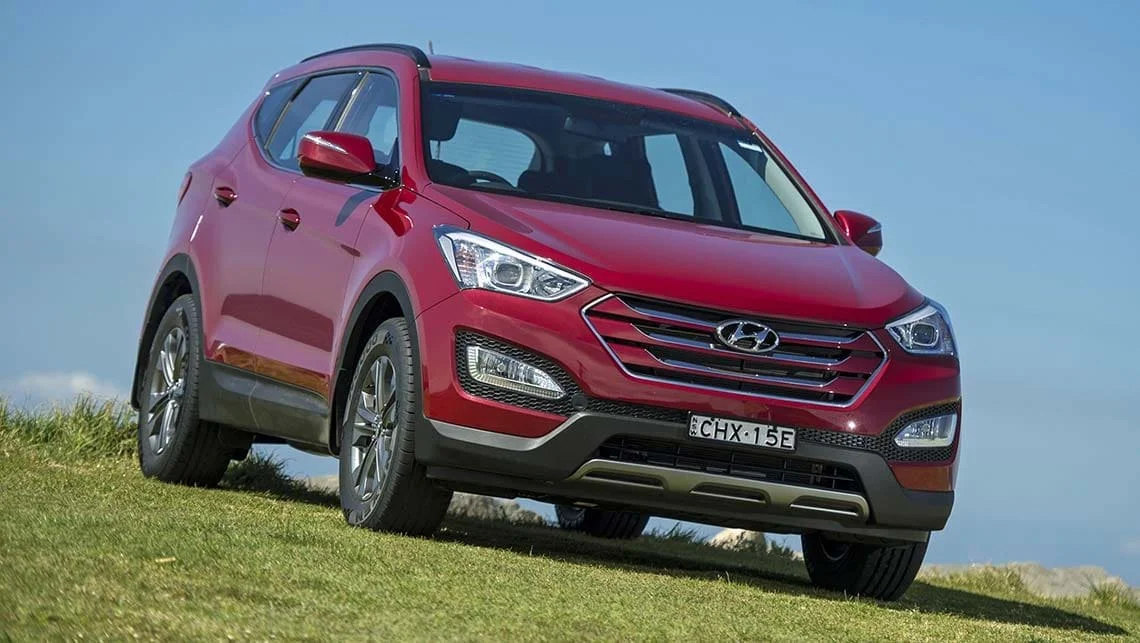
They sat higher, which meant better visibility and a sense of control. They felt bigger and heavier, which translated—rightly or wrongly—into perceived safety. They offered flexible interiors, configurable seating, and enclosed cargo space that felt cleaner and more “civilised” and useful than a sedan boot space. For example, you wouldn’t put your dog in the boot of a sedan, but in the back of an SUV your four-legged friend was happy to be going for a ride with the family.
The SUV also arrived at a moment when households had changed. Dual incomes became normal. School runs became more demanding. Children had more gear, more activities, more logistics. The SUV wasn’t just transport; it was a mobile command centre. Almost like a kitchen in your house, the SUV became the central point of family life outside the home.
While rarely stated out loud, SUVs were also marketed primarily toward women. They promised safety, capability, and confidence. They legitimised spending more money in the name of protecting family. They allowed the driver to feel prepared for anything, even if most trips were to school, work and the shops.
SUVs didn’t replace sedans because sedans failed. They replaced them because anxiety grew, and ultimately, they were better at the task at hand.
Then came the rise of the dual-cab ute. And with it, another shift.
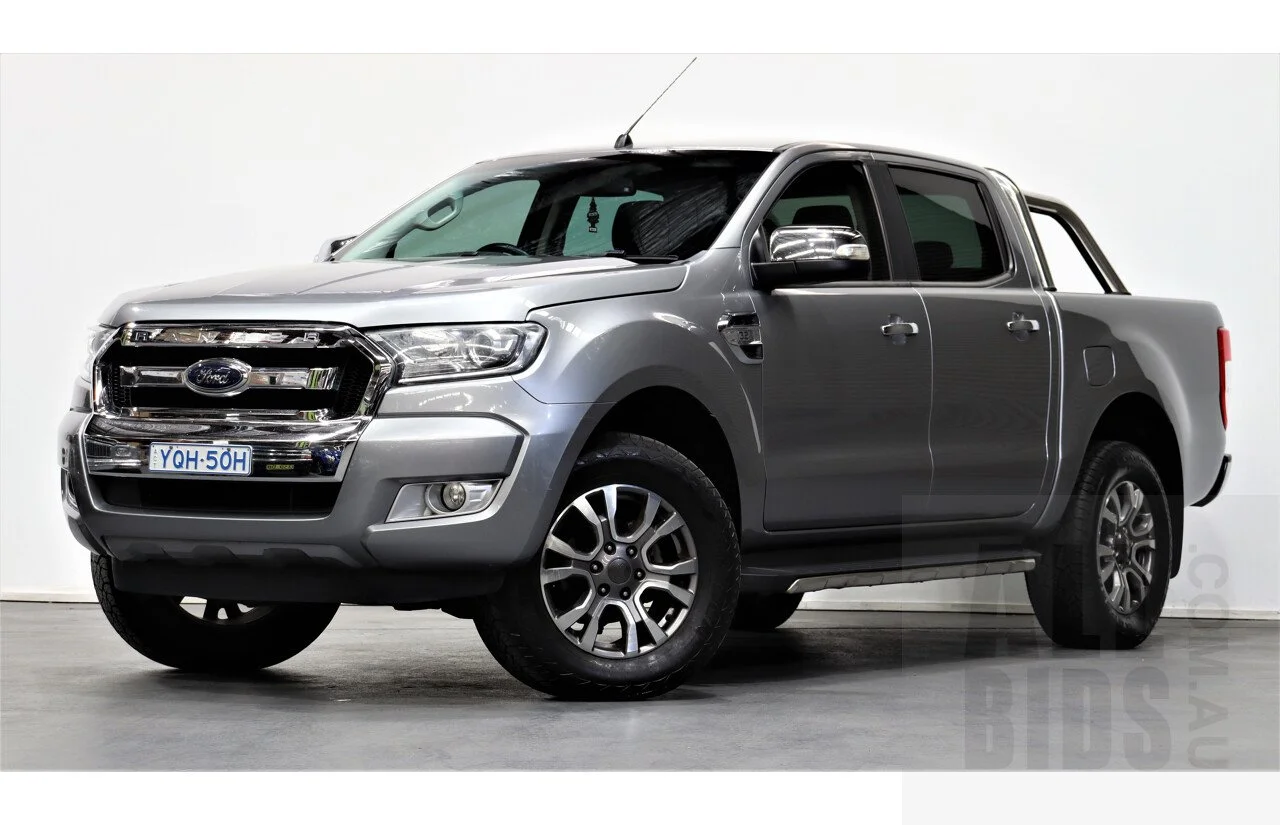
The modern dual-cab ute is not a farm tool. It is a carefully engineered crossover of work, family, lifestyle and identity. Five seats. Diesel efficiency. Towing capacity. High driving position. Aggressive styling. A cargo area that suggests capability, even if it mostly carries air.
On paper, the dual-cab ute makes sense. It can carry kids and tools. It can tow boats and caravans. It can handle poor roads. It qualifies for favourable tax treatment in many cases. It feels robust in a world that feels increasingly fragile.
But culturally, it does something else.
The dual-cab ute allows men—particularly fathers—to reclaim a sense of automotive identity without abandoning responsibility. It says, “I’m practical, but I’m still capable.” It blends provider, protector and adventurer into a single object. It is aspirational, but defensible. It looks tough, but can still pick up the kids, and be taken to work too.
In many households, the SUV era delivered what women wanted from a family car. The dual-cab surge has delivered what men were quietly waiting for.
That matters, because cars are emotional purchases masquerading as rational ones.
Every dominant vehicle trend eventually reaches saturation. The roads are now thick with Rangers, Hiluxes, Navaras, Tritons, and even hybrid Sharks. What was once distinctive is becoming normal.
When everything is tall, nothing feels tall. When everyone has a tough-looking vehicle, toughness loses its edge. And when they’re ugly, they stand out from the crowd for all the wrong reasons – sorry Kia Tasman, I’m talking about you.
That doesn’t mean dual-cabs will disappear. Far from it. But it does suggest that their cultural dominance may not be permanent. Rising prices, urban congestion, fuel costs, and changing regulations all begin to nibble at the edges.
And this brings us to the inevitable question: what comes next?
The prevailing narrative suggests that electric vehicles will simply replace everything before them. That the future family car is inevitably electric, connected, and software-defined.
The reality is likely more nuanced.
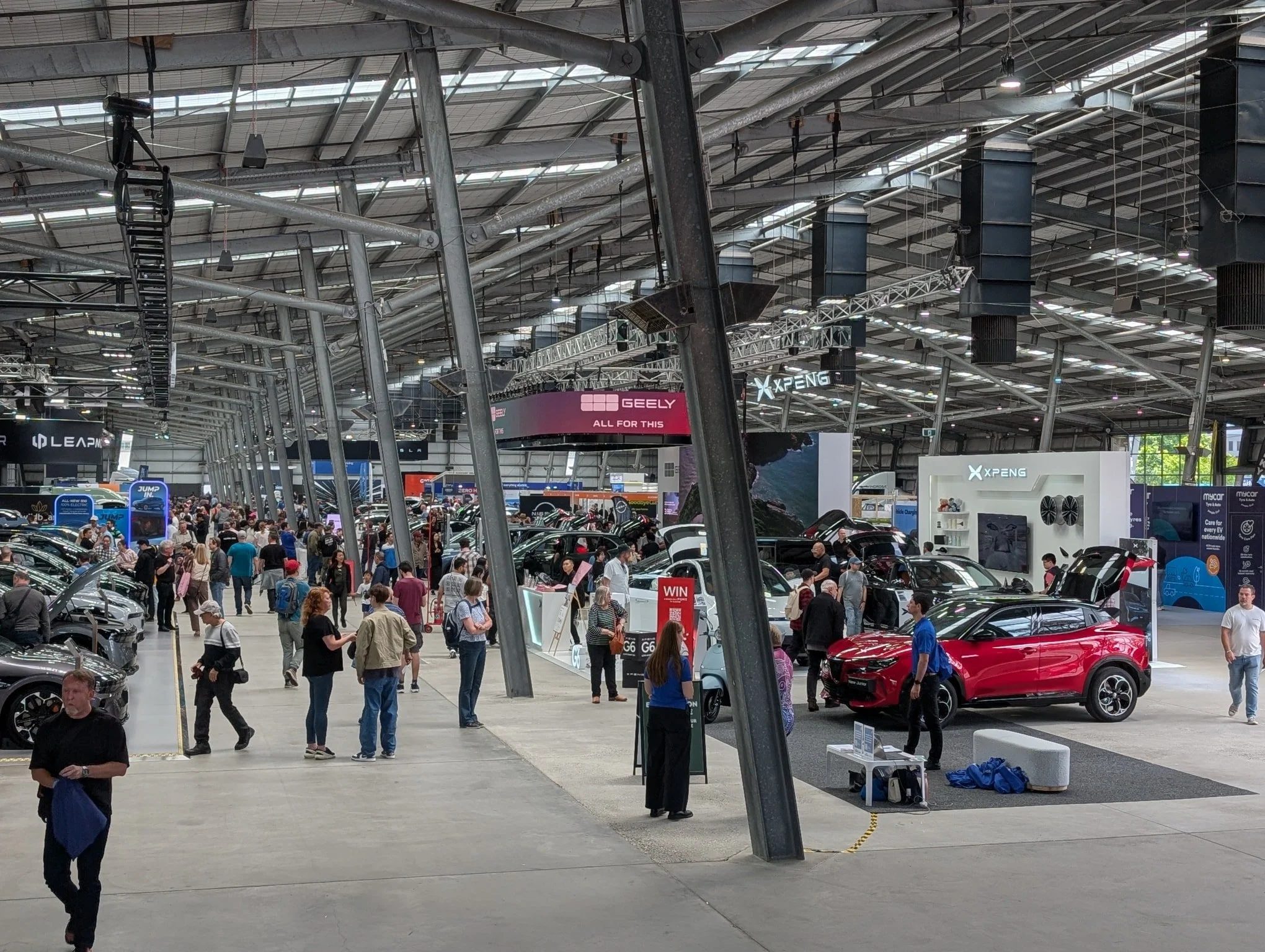
Australians are pragmatic buyers. They resist forced change. They value reliability, longevity, and value retention. This is why hybrids have gained far more traction than full EVs to this point in time, and why brand trust matters more here than in many other markets.
EVs will inevitably and absolutely grow. They will become common. But whether they become the dominant expression of the family car is still an open question.
Electric drivetrains change how cars move, but they don’t automatically solve the emotional and cultural needs that previous vehicle types addressed. Height. Space. Presence. Identity. Control. These still matter.
The future family vehicle may not be radically smaller or simpler. It may simply be a familiar shape, powered differently, marketed more carefully, and regulated more heavily.
If you strip away the marketing, the specs, and the technology, the family car has always been a response to one fundamental question: “What do we need to feel okay right now?”
In the 1990s, the answer was stability. In the 2010s, it was safety. In the 2020s, it has been identity and resilience.
The next decade may be about efficiency, cost control, and fatigue. Not excitement. Not revolution. Just something that makes sense in an uncertain world, where the cost of living is a huge influence on the way we live.
That may mean fewer extremes. Fewer statements. Fewer attempts to impress. Or it may mean new forms of signalling that we haven’t quite recognised yet.
What is certain is this: the family car will continue to change, not because technology demands it, but because Australians do.
And if history is any guide, the driveway will tell us long before the headlines do – no matter how that news is delivered, or by whom.
What about the classics?
Of course I had to mention something about my treasured, colourful, fuel guzzling classics.
Classic and collector cars, exist outside those previously mentioned constraints. They are the weekend escape, the passion project, the visible reminder that driving can be more than a task. They don’t serve the daily grind—they transcend it.
As everyday vehicles become more appliance-like—hybridized, software-driven, increasingly quiet and safe—classic cars will likely appear louder, more tactile, more human. They represent choice, agency, and identity in ways the family commuter never can. They don’t need to be practical or efficient; they need to be meaningful.
Australians have always had a strong attachment to local classics: Falcon GTs, Monaros, Toranas, and even those performance cars from the 90s and 2000s are now classics. These are cars that evoke memory, emotion, and status. They are a rebellion against homogenisation. They are a tactile reminder that a car can be about passion, not just transport.
You’ll continue to see those colourful classics stand out in the traffic, turning heads, making people smile, a road going reminder of where we’ve come from – rather than where we might be going.
What do you reckon might be next for the humble family car?